


Cart Abandonment Rate: What It Means and How to Improve It
Cart abandonment rate measures a very specific kind of lost momentum – shoppers who put something in the cart but do not complete the order. That makes it more useful than a broad traffic or conversion metric. These users got far enough to show interest, so when they leave, there is usually a reason worth investigating.
For ecommerce businesses, this metric matters because cart abandonment sits close to revenue. These visitors have already shown purchase intent. They are not casual browsers anymore, at least not entirely. If too many of them drop off before payment, the issue may be pricing, shipping costs, account creation, payment options, site speed, trust signals, or simple checkout complexity.
This guide focuses specifically on cart abandonment rate: what it means, how to calculate it, how it differs from checkout abandonment rate, and how to use the data to improve ecommerce performance. Instead of treating abandoned carts as a vague problem, you can use the metric as a practical signal for finding and fixing the points where buyers lose momentum.
If you need the broader overview, our full guide to shopping cart abandonment breaks down the common causes, business impact, and recovery strategies.
- What Is Cart Abandonment Rate?
- Cart Abandonment Rate vs Checkout Abandonment Rate
- How to Calculate Cart Abandonment Rate (Advanced)
- How to Analyze Your Cart Abandonment Rate?
- What Is a Good Cart Abandonment Rate?
- What Causes a High Cart Abandonment Rate?
- How to Reduce Cart Abandonment Rate
- Tools to Track and Improve Cart Abandonment Rate
- Read the Number, Then Read the Buyer
What Is Cart Abandonment Rate?
Cart abandonment rate is the percentage of shoppers who add an item to their cart but leave before completing the purchase. It measures the gap between purchase intent and completed orders.
Someone who adds a product to their cart has usually moved beyond basic browsing. They may be comparing prices, checking shipping costs, saving items for later, or testing how easy the checkout process feels. When a large share of these shoppers leave without buying, it can point to friction somewhere in the buying journey.
In that sense, cart abandonment rate is both a revenue metric and a user experience signal. It shows where interested shoppers are dropping off, but it does not explain the cause on its own. To make the number useful, ecommerce teams need to compare it with other metrics like conversion rate, average order value, checkout abandonment rate, site speed, and traffic source performance.
Pros of Tracking Cart Abandonment Rate
- It shows where purchase intent is being lost. Cart abandonment rate focuses on shoppers who have already taken a meaningful buying step, which makes it more useful than site traffic alone.
- It helps spot new friction in the cart experience. If abandonment rises while traffic stays steady, something may have changed in the buying experience, such as shipping costs, payment options, discount messaging, or site performance.
- It helps prioritize conversion fixes. Cart-level changes are often easier to test than full-site redesigns. Clearer delivery costs, guest checkout, stronger return-policy messaging, or shorter forms can all be measured against abandonment rate.
- It connects UX issues to revenue. Because these shoppers are close to buying, reducing abandonment can have a direct impact on completed orders.
Cons of Tracking Cart Abandonment Rate
- It shows the symptom, not the source. A high rate can point to problems with UX, pricing, trust, site performance, or checkout flow, but it does not tell you which one is responsible.
- It can be unreliable with low volume. If only a small number of carts are created, a few abandoned purchases can make the rate look better or worse than it really is.
- It can mix very different shopper behaviors. Someone saving a product for later is not the same as someone who leaves because the payment form fails, but both count as cart abandonment.
- It needs supporting metrics. Review cart abandonment rate alongside conversion rate, completed orders, revenue per visitor, average order value, device performance, and checkout abandonment rate to get a better handle on what is actually going on.
Cart Abandonment Rate vs Checkout Abandonment Rate
Cart abandonment and checkout abandonment are close cousins, but they point to different problems:
- Cart abandonment rate tracks shoppers who add products to their cart but leave before buying. If your cart abandonment rate is high but checkout abandonment is normal, the problem is likely happening earlier in the conversion funnel. Shoppers may also be using the cart to compare prices, test shipping costs, look for promo codes, or save products for later.
In that case, pre-checkout tactics may be more useful, such as clearer product pages, earlier shipping estimates, exit-intent popups, email capture, abandoned cart emails, or retargeting campaigns.
- Checkout abandonment rate focuses on shoppers who start the checkout process but leave before payment is completed. If your checkout abandonment rate is high (especially above 60%) the checkout flow should be the first place to investigate.
Compare both metrics once a month and look for separation between them. When one rate moves and the other does not, you get a cleaner clue about where to investigate instead of treating abandonment as one broad problem.
For a deeper look at the final purchase step, read our guide to checkout abandonment. It explains why shoppers leave after starting checkout and what you can do to reduce drop-off at that stage.
Checkout Abandonment: Common Reasons and Solutions
Getting shoppers to checkout is a win. They found a product, added it to their cart, and started taking the steps toward…
How to Calculate Cart Abandonment Rate (Advanced)
In this section, we’ll walk through the calculation step by step. The process is simple, but each step affects how accurate and useful the final rate will be.

1. Determine the Timeframe
First, decide which period you want to analyze. Many ecommerce teams review cart abandonment rate weekly or monthly, but you can also measure it around a specific campaign, seasonal sale, product launch, or checkout update.
The key is consistency. A normal month, a Black Friday promotion, and a paid social campaign may all produce different abandonment behavior, so avoid comparing them without context.
2. Collect the Right Data
Next, pull the two numbers needed for the calculation:
- Carts created: The number of shoppers who added at least one item to their cart.
- Completed purchases: The number of shoppers who placed an order after creating a cart.
You can usually find this data in your ecommerce platform, analytics setup, or conversion funnel reports. For more useful analysis, also capture related details such as device type, traffic source, payment method, cart value, product category, and checkout step reached.
It also helps to compare your results against relevant cart abandonment statistics, not just your own past performance. Industry benchmarks can show whether your average abandoned cart rate is unusually high or whether it reflects common behavior for your product category, traffic mix, or device split.
3. Use Cart Abandonment Rate Formula
Once you have the numbers, use this cart abandonment rate formula:
Cart abandonment rate (%) = [1 – (completed purchases ÷ carts created)] × 100
For example, if your store created 1,000 carts in a month and 300 of those carts became completed orders, the calculation would be:
[1 – (300 ÷ 1,000)] × 100 = 70%
That means 70% of carts were abandoned during that period.
4. Analyze and improve
After you calculate your cart abandonment rate, review the data for patterns that may point to issues in the buying journey. The goal is not just to know the percentage, but to understand where shoppers may be losing confidence or encountering friction.
Once you identify the likely problem areas, you can make targeted improvements and measure whether the rate changes over time.
For more detail, read our guide on why shoppers abandon their carts and how to reduce cart abandonment with practical changes to the ecommerce experience.
How to Reduce Cart Abandonment: Proven Ecommerce Strategies
Shopping cart abandonment is a constant leak in ecommerce revenue. Across industries, the average cart abandonment rate sits around 70.22%, which means…
How to Analyze Your Cart Abandonment Rate?
A single cart abandonment rate gives you a starting point, but it does not tell you much on its own. To make the number useful, break it down into smaller views so you can see where abandonment is concentrated and which shopper segments behave differently.
Key segments to review include:
- Product category – Some products naturally involve more comparison and hesitation. Higher-priced or higher-consideration items (consumer electronics, appliances, furniture) often see more abandoned carts than routine purchases (clothing, household essentials).
- Location – Regional differences can point to practical issues, such as shipping availability, delivery costs, taxes, currency, or preferred payment methods.
You should also review abandonment by time. Weekend behavior may look different from weekday behavior, and seasonal events can distort your normal baseline. A holiday campaign or major product launch may bring more traffic, but not always more ready-to-buy shoppers.
Finally, add customer input where possible, such as short exit surveys or notes from support conversations. Analytics can show which segments abandon more often, but feedback helps reveal what exactly shoppers are reacting to.
What Is a Good Cart Abandonment Rate?
A “good” cart abandonment rate depends on what you sell, who you sell to, and how complicated the purchase is. A store selling everyday household products will usually have a different baseline than one selling luxury goods, furniture, electronics, or other higher-consideration items.
As a general benchmark, average cart abandonment rates often fall somewhere between 60% and 80%. As a rough rule, a rate below 60% usually suggests the store is performing better than the broader market.
It is also important to remember that not every abandoned cart represents a failed checkout experience. Some consumers are comparing prices, checking shipping costs, saving items for later, or “window-shopping” without a firm plan to buy.
A 0% cart abandonment rate is not realistic. The better goal is to understand what level is normal for your business, then look for the avoidable friction pushing that number higher.
Cart Abandonment Statistics (Key Data Points)
Cart abandonment is normal, but the averages show just how much revenue sits in the gap between “added to cart” and “order placed.” The question is not whether shoppers abandon carts. They do. The question is whether your rate is typical for your market.
These figures are useful starting points:
- The average cart abandonment rate is 70.22% which means roughly seven out of ten carts are abandoned across industries and devices.
- Mobile shoppers make up 72% of ecommerce traffic, yet they account for only 42% of revenue. That difference can largely be attributed to the mobile shopping experience. Mobile users are working through smaller screens, slower pages, tighter layouts, and checkout forms that are easier to mistap or abandon.
- Cart abandonment does not look the same for every business. A grocery store selling repeat purchases will usually have a different abandonment pattern than a luxury retailer, furniture brand, or electronics store where shoppers spend more time comparing price, quality, specs, delivery options, and alternatives.
Cart abandonment statistics are useful, but they only give you the market-level view. To understand your own rate, pair the benchmarks with product data, customer feedback, and funnel behavior. That is how you separate normal browsing from fixable problems, such as unclear costs, weak trust signals, checkout friction, or missing product information.
What Causes a High Cart Abandonment Rate?
A high cart abandonment rate usually comes from friction somewhere between product interest and purchase completion.
Most causes fall into three broad categories:
- Cost and pricing issues – Shoppers may leave when the final total feels higher than expected, especially if shipping, taxes, or fees are added late in the process.
- User experience problems – A confusing cart page, slow site performance, forced account creation, limited payment options, or a long checkout process can all make the purchase feel like a hassle.
- Trust and information gaps – Missing reviews, unclear return policies, inconsistent product details, weak security cues, or limited delivery information can make shoppers question placing an order.

Start by identifying which type of friction is most likely affecting your own funnel, then focus your improvements there. Our UX audit services can help you uncover where shoppers are struggling, especially when the issue is not obvious from analytics alone.

The causes are easier to fix once they are grouped properly. Our cart abandonment guide breaks them into practical categories, so you can move from “people are leaving” to a clearer diagnosis.
Shopping Cart Abandonment: A Complete Guide for Ecommerce
Most online shoppers do not buy the first time they show interest. They browse, compare, hesitate, check shipping, look for coupon codes,…
How to Reduce Cart Abandonment Rate
As discussed in our main guide, reducing cart abandonment rate starts with removing the points of hesitation. The goal is not to change everything at once. Start with the issues most likely to affect your funnel, then test improvements one by one so you can see what causes meaningful shifts in behavior.
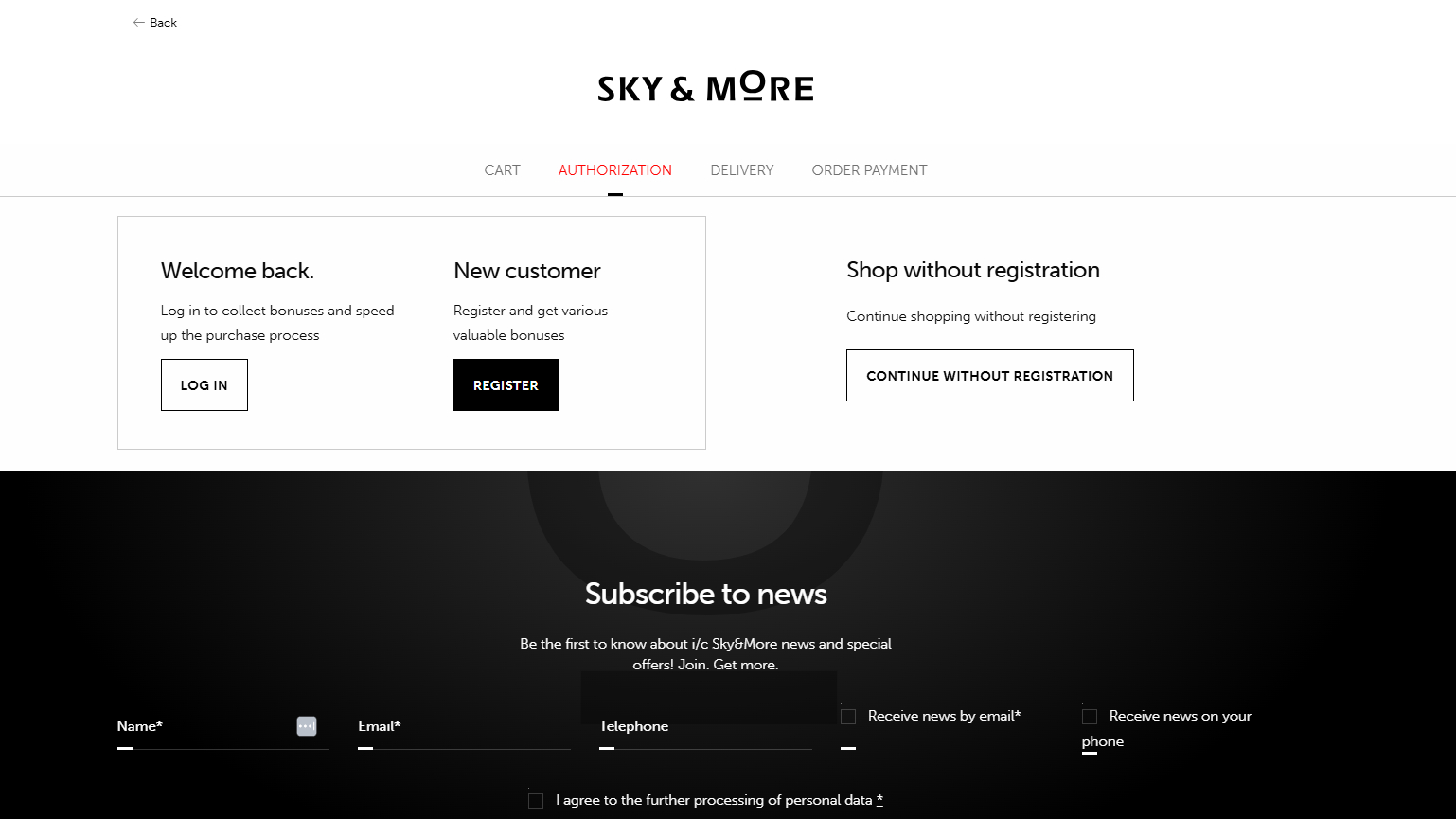
Common ways to reduce cart abandonment include:
- Offer guest checkout – Mandatory account creation is one of the easiest friction points to avoid. Let customers finish the order first, then give them the option to create an account after purchase.
- Show costs earlier – Shipping, taxes, and extra fees should not appear as a surprise at the final step. Earlier cost visibility helps shoppers make a decision before they feel misled.
- Simplify the checkout flow –Shorter forms, fewer unnecessary fields, clear error messages, and easy payment selection can make checkout feel less demanding.
- Build trust near the decision point – Reviews, return details, delivery information, secure payment cues, and recognizable payment methods can reduce last-minute hangups.
- Use recovery campaigns – Abandoned cart emails, SMS reminders, retargeting, and exit-intent offers can bring back shoppers who were interested but not ready to buy.
For a more detailed set of fixes, see our guide on how to reduce shopping cart abandonment.
Want expert help with your specific cart abandonment issues? Our Conversion Optimization (CRO) services provide a personalized review of your ecommerce funnel, with clear recommendations for improving the buying journey and increasing completed orders.

Tools to Track and Improve Cart Abandonment Rate
By tracking how shoppers move through the site, ecommerce teams can choose the right site changes or recovery strategy, reducing cart abandonment rate and increasing revenue.
Analytics Tools
Analytics tools are the foundation. Platforms like Google Analytics can help you track key ecommerce events, including product views, add-to-cart actions, checkout starts, and completed purchases.
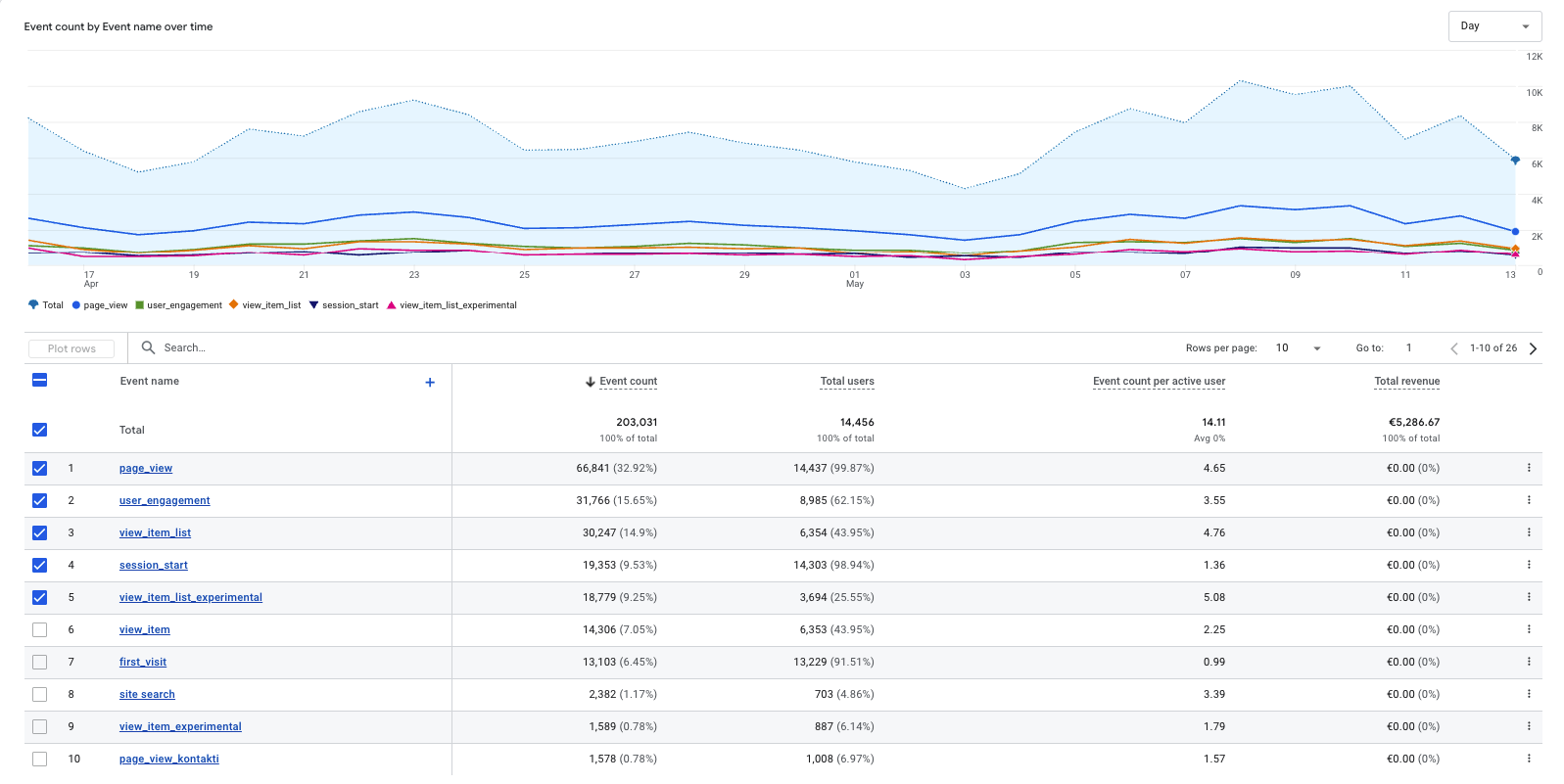
With ecommerce tracking set up properly, analytics tools can show:
- Which products are most often added to carts but not purchased
- Where users tend to stop between cart creation and order completion
- Whether abandonment changes by campaign, channel, or audience segment
- What pages or interactions usually happen before a shopper leaves
- Which steps in the purchase path lose the most users
Pro Tip:
In our work with ecommerce stores, we often find that cart tracking is either missing key events or set up in a way that leaves gaps in the data. When that happens, it becomes much harder to measure cart abandonment accurately or trust the patterns behind the rate.
If your reporting has those gaps, our Web Analytics service can help set up cleaner ecommerce tracking, conversion funnels, and reporting dashboards, so your cart abandonment data is reliable enough to act on.

Behavior Tracking Tools
Behavior tracking tools show how users interact with the page itself. Heatmap and session recording tools, such as Hotjar or Crazy Egg, can reveal where shoppers click, scroll, pause, or run into usability issues.
These tools are especially useful when the analytics show a drop-off, but the reason is not obvious.
Optimization and Testing Tools
A/B testing tools help you test changes instead of relying on assumptions. You might compare two versions of a checkout page, cart layout, shipping message, CTA, payment section, or guest checkout flow to see which one leads to more completed orders.
The strongest tests start with a clear hypothesis based on data. For example if many users leave after shipping costs appear, you might test earlier delivery estimates. The point is to connect each test to a specific behavior, not just change things and hope the numbers improve.
Recovery and Marketing Tools
Recovery tools help bring shoppers back after they leave. These usually include:
- Abandoned cart emails
- SMS or push reminders
- Exit-intent popups
- Retargeting campaigns
Recovery tools are most useful when they match the shopper’s behavior. Once your tracking is in place, review patterns by product, checkout stage, device, and campaign so you can choose the right follow-up instead of treating every abandoned cart the same way.
Other Key Ecommerce Metrics
Cart abandonment rate should not be the only number used to judge ecommerce performance. A store can reduce abandonment and still have weak sales if too few visitors add products to the cart.
To understand what is actually happening, compare cart abandonment rate with:
- Total orders – Shows whether abandonment is affecting the number of completed purchases.
- Items per order – Helps show whether larger carts are more likely to be abandoned than smaller ones.
- Revenue per visitor – Connects cart behavior to the value generated from each site visit.
- Conversion rate – Shows how many visits turn into orders, not just how many carts are abandoned.
- Return on investment – Helps measure whether campaigns or optimization work are producing enough value to justify the cost.
Together, these metrics give a more complete view of your ecommerce business. Cart abandonment rate shows one part of the buying journey, while the other metrics show how that behavior affects sales, traffic quality, campaign performance, and overall strategy.
Read the Number, Then Read the Buyer
Cart abandonment rate is useful because it shows where interest fails to become revenue. But the rate only matters when the tracking is accurate and the analysis is specific.
The real value is in knowing which abandoned carts point to something fixable. Clean tracking, relevant benchmarks, customer feedback, and related ecommerce metrics help turn the rate from a loose warning sign into a clearer view of the buying experience.
Once you understand what is driving the drop-off, the next step is simpler – remove the friction that does not need to be there, and make the path from cart to purchase easier to complete.
Frequently Asked Questions
How do you calculate cart abandonment rate?
To calculate cart abandonment rate, divide the number of completed purchases by the number of carts created during the same period. Then subtract that result from 1 and multiply by 100.
For example, if your store had 500 carts created in one month and 150 completed purchases, the cart abandonment rate would be 70%.
Why is my cart abandonment rate so high?
A high cart abandonment rate can come from several places, including unexpected costs, weak product information, checkout friction, limited payment options, slow site performance, or shoppers who are still comparing options. The rate tells you that people are leaving, but you need segmentation and customer feedback to understand why.
For a closer look at the issue, use our guide to cart abandonment causes to compare the most common cost, UX, trust, and product-information problems.
