


Abandoned Cart Recovery: How to Recover Lost Ecommerce Sales
Shopping cart abandonment is a direct revenue problem for ecommerce stores. When shoppers add products to their cart but leave before buying, abandoned cart recovery gives you a way to bring some of that lost revenue back. These shoppers have already shown interest, so you don’t have to start from zero. The goal is to re-engage them with the right reminder, offer, or checkout improvement before that purchase intent fades.
Cart recovery also helps you understand why shoppers leave. Their behavior can point to friction in the buying journey, gaps in product information, unclear policies, or concerns that were not answered before checkout. Those insights can help you recover more carts now while improving the buying experience that caused shoppers to leave.
There will always be a certain degree of cart abandonment in ecommerce. It cannot be avoided completely, but with better checkout flow, clearer policies, and targeted follow-up, ecommerce businesses can bring more shoppers back without relying on new traffic. That makes cart recovery a strong revenue lever because it focuses on shoppers who have already moved toward purchase.
Below, we’ll break down the main abandoned cart recovery strategies, channels, tools, and tracking methods that can help you recover abandoned carts more effectively.
- What Is Abandoned Cart Recovery?
- Why Abandoned Cart Recovery Matters
- Why Shoppers Abandon Their Carts Before Purchase
- The 5 Most Effective Abandoned Cart Recovery Channels
- How to Create an Effective Abandoned Cart Recovery Strategy
- Abandoned Cart Recovery Emails: Best Practices
- How Analytics Improve Cart Recovery Performance
- Abandoned Cart Recovery Tools and Software
- Recover the Cart, Then Fix What Pushed Them Away
What Is Abandoned Cart Recovery?
Abandoned cart recovery is the process of bringing shoppers back after they add items to their cart but leave before completing the purchase.
Most recovery campaigns are triggered automatically after the cart is abandoned, using follow-up messages or on-site prompts such as:
- Abandoned cart emails
- SMS reminders
- Push notifications
- Exit-intent popups
- Retargeting ads
There is a difference between preventing abandonment and abandoned shopping cart recovery. Prevention focuses on the shopping and checkout experience before the shopper leaves. Recovery focuses on the follow-up that happens after they exit, such as reminders, texts, ads, or other prompts that bring them back to the cart.
Cart recovery requires less spend than chasing new traffic because you are targeting shoppers who already showed buying intent. The business has usually paid for the visit already, so the recovery work is about getting more value from traffic that is already on the site.
In our experience, many ecommerce businesses put too much weight on attracting new traffic and not enough on recovering existing purchase intent. Shoppers who abandon carts are often much closer to conversion than first-time visitors, which makes abandoned cart recovery one of the most cost-effective ways to improve ecommerce performance.
Why Abandoned Cart Recovery Matters
Abandoned cart recovery is a key revenue opportunity because cart abandonment is common and expensive. On average, more than 70% of shoppers leave without buying, and the rate is even higher on mobile. Recovering even a small share of those carts can make a massive difference to revenue.
Automated cart recovery can help ecommerce businesses:
- Recover revenue – Encourage shoppers to come back and complete the order they started.
- Higher conversion rate – Reduce the gap between cart activity and completed purchases.
- Lower acquisition waste – Get more value from traffic the business has already paid for or earned.
- Stronger customer retention – Keep communication open with shoppers who may return for future purchases.
Recovered customers can be valuable beyond the single order. If the follow-up feels personalized instead of generic, it gives the business another chance to build trust, learn what the shopper responds to, and keep the relationship active after the cart is recovered. Over time, that can support stronger email engagement and more repeat purchases.
Pro Tip:
In our experience, cart recovery works best when it is paired with fixes to the buying journey itself. Emails, ads, and reminders can bring shoppers back, but they will still run into the same problems if the store experience has not improved.
If shoppers are leaving because checkout feels unclear, slow, or difficult to complete, eComStrive’s Conversion Optimization (CRO) services can help identify the friction points and improve the path to purchase.

Why Shoppers Abandon Their Carts Before Purchase
Cart abandonment can happen for different reasons, and the cause is not always obvious from the abandoned cart alone. In many cases, shoppers leave because something in the buying process creates hesitation, adds effort, or makes the final cost feel less clear.
Common causes usually fall into a few groups:
Cost and payment friction
- Extra costs appearing late in the process
- Not enough payment methods
- Concerns about payment security
Checkout experience issues
- Checkout flows that take too long or feel complicated
- Forced account registration
- Poor mobile experience
- Slow-loading pages or technical issues
Trust and product confidence
- Low trust in the brand or site
- Thin or incomplete product descriptions
- Unclear shipping, return, or delivery information
Shopper behavior (recovery can influence but not fully prevent)
- Using the cart to research products, compare prices, or save items for later
For more detail on this topic, read our in-depth article on cart abandonment reasons and specific solutions to help prevent them.
How to Reduce Cart Abandonment: Proven Ecommerce Strategies
Shopping cart abandonment is a constant leak in ecommerce revenue. Across industries, the average cart abandonment rate sits around 70.22%, which means…
Understanding Abandonment Behavior Improves Recovery Performance
Once you understand the general reasons shoppers abandon their carts, you can tailor your recovery strategy to their needs, concerns, or friction points. A pricing issue may call for a different response than a trust issue or product uncertainty.
For example:
- Pricing concerns – Discounts, free shipping offers, or clearer cost breakdowns may help.
- Purchase hesitation – Reviews, trust signals, return details, or stronger product information can reduce doubt.
- Returning visitors – Personalized reminders and limited-time offers can help shoppers who were browsing or saving items, get over the finish line.
- Mobile abandonment – A shorter checkout flow or easier payment option may work better than another email.
Many businesses treat all abandoned carts the same way and send identical recovery messages to every user. That ignores the user intent and behavior signals that can improve recovery performance. When campaigns are segmented by user behavior, purchase intent, device type, and cart value, recovery campaigns become more effective.
For a closer look at the signals shoppers show before they leave, read our article on cart abandonment behavior signals.
Cart Abandonment Behavior Signals in Ecommerce
Before shoppers abandon a cart, they often leave a trail of hesitation. They may slow down, revisit details, adjust the cart, or…
The 5 Most Effective Abandoned Cart Recovery Channels
A multichannel abandoned cart recovery strategy gives businesses more than one way to bring shoppers back. A single email can help, but it is easy to miss, ignore, or forget. Shoppers move between inboxes, phones, apps, social platforms, and websites, so recovery often works better when there are multiple touchpoints.
That does not mean you need to cover every channel. The right mix depends on how customers shop, what contact details your business has, and how close the shopper was to buying. Email, SMS, push notifications, exit-intent popups, and retargeting ads can all play a role, but each one works differently.
1. Email Recovery
Email is usually the first abandoned cart recovery channel businesses use because it is easy to automate. Once a shopper provides an email address or already has an account, an abandoned cart email can be triggered automatically when they leave without completing the order.
These are most effective when deployed as part of a sequenced campaign, first with an email reminding users to purchase their cart, and if unsuccessful, followed up with later incentives. Platforms like Mailchimp, HubSpot, and Zoho Mail can all support abandoned cart email workflows.
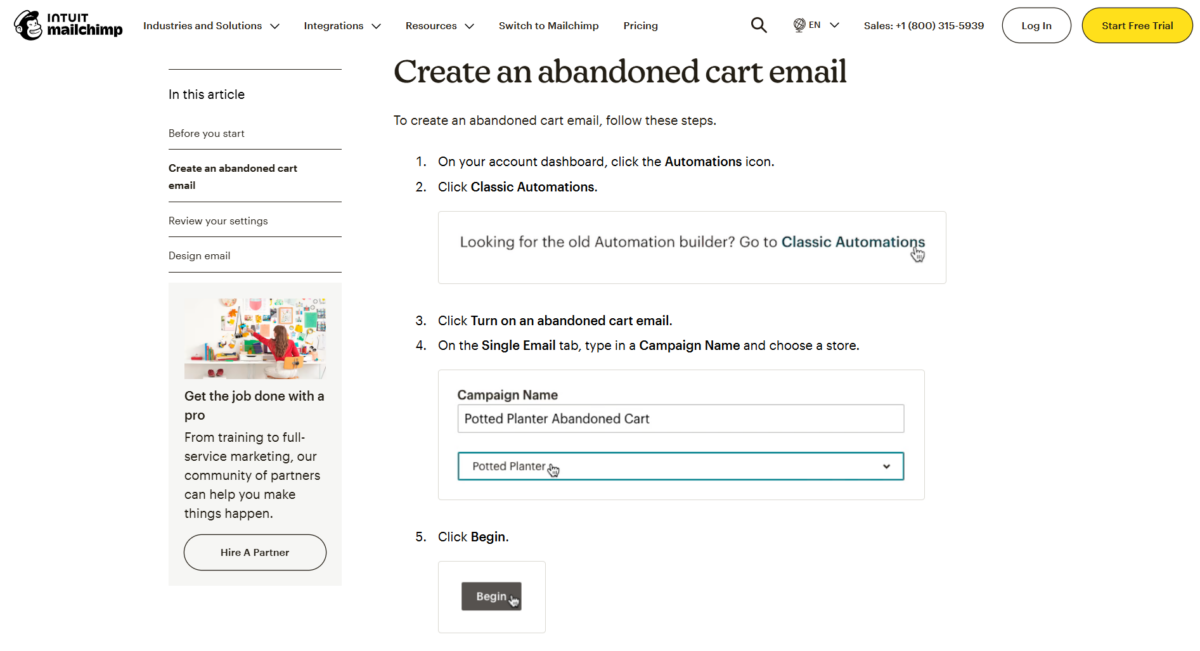
To improve the email side of your recovery strategy, read our abandoned cart recovery email best practices guide.
A well-built abandoned cart email can do several jobs at once:
- Remind users about abandoned products
- Include direct cart links
- Personalize messaging
- Offer incentives or discounts
- Reinforce trust and urgency
The best recovery emails make the next step obvious. Show the products, link directly back to the cart, and give shoppers a clear reason to finish the order.
2. SMS Recovery
SMS can be a useful cart recovery channel because it has very high visibility. Abandoned cart SMS messages can reach open rates of about 98%, but the channel only works when shoppers have clearly opted in to receive texts. That makes SMS powerful, but more limited in reach than email.
SMS works best alongside email, not as a replacement for it. Keep the message short, include a direct cart link, and avoid sending too many texts in one recovery flow.
Use SMS for shoppers with:
- High purchase intent
- High-value carts
- Time-sensitive reasons to come back (limited-time sales or low inventory)
Because SMS is a permission-based channel, consent needs to be clear before any recovery text is sent. This protects the business from compliance issues and keeps the message from feeling intrusive or making the store seem less trustworthy.
3. Push Notifications
Push notifications are short alerts sent from an app to a shopper’s device, even when the app is not open. They appear as popovers on the lock screen or notification bar, attracting user attention and delivering important information.
For cart recovery, they can be useful because they are highly visible and do not depend on the shopper checking their inbox. They do require the shopper to have the app installed and push notifications enabled, so reach depends on app adoption and opt-in rates.
They are especially helpful to target mobile shoppers or app users who have not provided an email address. A push alert can remind them about the cart and send them straight back to checkout.
The tradeoff is that you have limited space to make your case. Push notifications need to be short, so they work best as simple reminders rather than detailed trust-building messages. Use them when the shopper needs a quick nudge in the right direction.
4. Exit-Intent Popups
Exit-intent popups sit closer to cart abandonment prevention than recovery. They appear when a shopper looks like they may leave, such as moving toward the close button on desktop or showing exit behavior on mobile.
The goal is to stop the cart from being abandoned in the first place. A popup may offer a small discount, free shipping, or a way to save the cart for later. It will not keep every shopper from leaving, but it can reduce cart loss before the recovery sequence starts. Some stores also use this moment to surface a specific payment option, such as buy-now-pay-later, if a WooCommerce custom payment gateway has been set up to support it, since payment flexibility can be enough to change a shopper’s mind.
Exit-intent popups can help by offering:
- Discounts
- Free shipping
- Email capture opportunities
- Cart-saving functionality
5. Retargeting Ads
Retargeting ads bring abandoned cart shoppers back through platforms like Facebook, Instagram, and Google Display. They keep the product visible after the shopper leaves the site, which can help if the shopper was still comparing options or not ready to buy. These campaigns are also useful for reaching shoppers outside your owned channels, including people who never entered an email address.
The tradeoff here is cost and attribution. Retargeting can be harder to connect directly to recovered revenue than email or SMS, so it needs careful tracking and clear campaign setup.
Because of those challenges, keep retargeting campaigns focused with these tips:
- Use dynamic retargeting to display the exact items left in the cart.
- Highlight promotions or create urgency with limited-time offers.
- Ensure your retargeting ads lead directly to the cart or checkout page for a seamless experience.
Your recovery efforts will be best rewarded when channels support each other. Email may recover one shopper, while another may come back after seeing a retargeting ad, push notification, or SMS reminder.
How to Create an Effective Abandoned Cart Recovery Strategy
A good abandoned cart recovery strategy should not depend on one email reminder and hope for the best. It should combine multiple channels and personalization to bring shoppers back while their purchase intent is still active.
The most successful recovery strategies are usually built around:
- Timing – When shoppers receive the first reminder and any follow-ups.
- Personalization – How closely the message reflects the products, cart value, and shopper behavior.
- Behavioral data – What the shopper did before leaving.
- Channel selection – Which recovery channels fit the shopper and the cart.
- Customer intent – How close the shopper seemed to completing the order.
We can distill those ideas into three main strategy decisions: when to send recovery messages, how to personalize them, and which channels to use.
1. Prioritize Timing
Timing has a major impact on abandoned cart recovery. The longer a shopper waits to hear from you, the more likely they are to lose interest, compare elsewhere, or forget about the cart altogether.
The window to capture a shopper’s attention is short. One abandoned cart email timing study found conversion rates dropped from 5.2% for emails sent 1 hour after abandonment to 2.1% after 24 hours.
Use this timing data as a starting point. A fast first reminder makes sense, but the full sequence should be shaped by your own recovery data. For example, high-value carts may need a little more time and a stronger reason to return, while lower-friction purchases may respond better to a quick reminder before the shopper moves on.
2. Use Personalization and Segmentation
Once the timing is in place, the message itself needs to feel relevant. A strong recovery campaign leverages information the business has collected on the consumer: the products in the cart, cart value, browsing behavior, purchase history, location, and more. This helps create a stronger connection with potential customers because the message reflects their needs, preferences, and shopping behavior. Over time, that more relevant experience can support customer loyalty and repeat purchases.
Personalization does not have to be complicated. Start by showing the exact product image, name, and price in the email instead of sending shoppers a generic cart link. Use their first name in the email subject line. From there, segment messages based on what the shopper did on your site.
Personalization can include:
- Product details – Show the exact item left behind, including the product image, name, price, selected size or color, and a direct cart link.
- Cart value – Match the message to the order size. A $50 cart may only need a reminder, while a $400 cart may benefit from financing details, free shipping, or a discount.
- Category context – Tie the message to what the shopper was trying to buy. For example, a running shoe cart could use “Ready for your next pair?” instead of a generic cart reminder.
- Behavioral triggers – Build different flows for different actions. Someone who viewed a product four times may need reviews or product details, while someone who abandoned at payment may need trust signals or more payment options.
You don’t need to offer a discount for every abandoned cart. Save stronger incentives for carts where they make business sense, such as higher order values, repeat abandoners, or shoppers who ignored the first reminder.
3. Combine Multiple Recovery Channels
Today’s shoppers move between devices, inboxes, social feeds, and the store itself before they decide to buy. A cross-channel abandoned cart recovery strategy helps you reach them in more than one place instead of depending on a single email to do all the work.
One report even found that recovery rates can rise by up to 45% when email, social media, and SMS are used together instead of relying on a single channel.
Even then, recovery strategies should be aligned with customer intent for the best results. Shoppers often abandon carts for reasons unrelated to pricing, so a blanket discount email will not work as a blanket solution. In many cases, better trust signals, clearer delivery details, easier payment options, or a more direct return path can do more than aggressive discounts.
Abandoned Cart Recovery Emails: Best Practices
Email remains one of the strongest abandoned cart recovery channels because it gives businesses more room to work with than SMS, push notifications, or ads. A recovery email can show the exact items left behind, link directly back to the cart, address common concerns, and give the shopper a clear next step.
Personalization also helps turn the email into a better sales prompt. The message can reflect what the shopper was trying to buy, what might make the purchase feel easier, and which next step is most likely to get a response.
What Makes Abandoned Cart Emails Effective?
Strong abandoned cart emails are built for quick decisions. The shopper should be able to open the email, recognize the cart, understand the reason to return, and click without sorting through a cluttered message.
They should be:
- Timely
- Personalized
- Visually simple
- Mobile-friendly
- Focused on one clear action
The easier it is to recognize the cart and return to checkout, the more likely the email is to recover the sale.
5 Key Elements of Effective Recovery Emails
A recovery email needs to be clear from the inbox to the checkout link. The subject line should make the email worth opening, and the email itself should give shoppers the information they need to continue the order.
- Write a clear subject line – Give shoppers a reason to open the email without sounding generic. Mention the cart, the product, the offer, or the reason to come back.
- Show the abandoned products – Include clear product images, names, prices, and selected options where relevant. The shopper should immediately recognize what they left behind.
- Add trust signals where they fit – Use reviews, secure payment badges, return details, delivery information, or support links to reduce hesitation.
For a closer look at the email side of recovery, read our full guide to abandoned cart emails.
Abandoned Cart Emails: Examples, Templates, and Best Practices
Abandoned cart emails are one of the most useful ways to recover ecommerce sales because they speak to shoppers at a very…
In our experience, the best recovery emails are usually simple. Clear messaging, visible products, and a frictionless return path often outperform overly complex designs or aggressive promotional tactics.
How Analytics Improve Cart Recovery Performance
Cart recovery is hard to improve when the only number you see is the final abandonment rate. Analytics gives you the details behind that number. This helps you understand how users behave before and after abandoning their carts.
Without proper tracking, businesses may struggle to see:
- Which recovery campaigns bring back the most revenue
- Where shoppers drop off before purchase
- Which channels lead to recovered orders
- How behavior changes by device, cart value, or customer segment
Good tracking makes recovery less driven by guesswork. It gives ecommerce teams a clearer basis for deciding what to fix, what to test, and which campaigns deserve more attention.
Track Recovery Performance Across the Customer Journey
Funnel reports in analytics tools can map the path from product page to cart, cart to checkout, checkout to payment, and payment to completed order. That view helps you see whether abandonment is happening across the whole journey or clustering around one step.
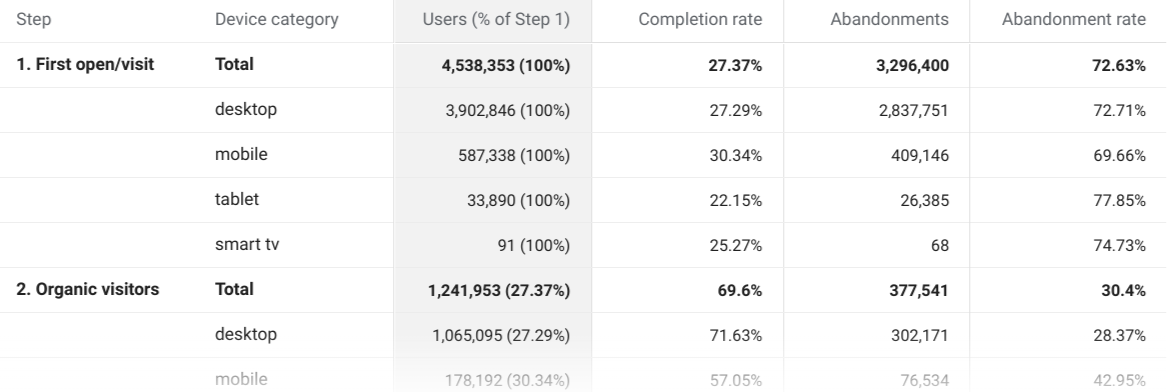
For example, if many shoppers reach the shipping step and then leave, the issue may be more specific. The store may be showing delivery costs too late or offering too few shipping options. These insights allow you to make targeted changes.
A useful analytics setup should measure:
- Recovery email open rates
- Click-through rates
- Recovered revenue
- Checkout completion rates
- Device-specific behavior
- Campaign attribution
In our experience, many businesses already have useful recovery insights inside their analytics platforms. Even basic funnel tracking and checkout analysis can reveal major friction points affecting both abandonment and recovery performance.
If your store does not have clear tracking for cart abandonment, eComStrive’s Web Analytics services can help set up the data needed to make better recovery decisions.

A/B Testing Improves Recovery Optimization
Small changes can have a real effect on abandoned cart recovery, but it is not always obvious which change will move the number.
A/B testing gives ecommerce teams a cleaner way to compare recovery ideas, such as whether shoppers respond better to a shipping offer, a shorter email, or a clearer checkout path.
Good A/B tests often focus on decision points like:
- Test the first-send window – Compare a reminder sent 30 to 60 minutes after abandonment with one sent 3 to 4 hours later.
- Test the subject line – Compare subject lines built around the abandoned product, saved cart, shipping offer, or low-stock message. For example, test “Still thinking about the linen sheets?” against “Your cart is saved.”
- Test the offer type – Compare free shipping against a percentage discount or fixed-dollar discount. Segment results based on cart value to understand what works better for different customers.
- Test product block detail – Compare a simple product image and name against a fuller block with price, selected size/color, delivery estimate, review rating, or stock status.
- Test trust cues near the CTA – Add one reassurance element at a time, such as return policy text, secure payment note, review snippet, or delivery timing.
Judge each test by recovered revenue. More opens or clicks only help if they lead to more completed orders without cutting too far into margin.
Abandoned Cart Recovery Tools and Software
Manual abandoned cart recovery is not sustainable at scale. Businesses usually need cart abandonment software that can detect abandoned carts, trigger recovery messages, personalize follow-ups, and show which campaigns are actually recovering revenue.
Most abandoned cart recovery tools are built to handle the main recovery workflow from tracking to follow-up to reporting. The exact feature set depends on the platform, but common capabilities include:
- Cart tracking – Detect when a shopper leaves items behind without completing the order.
- Automated recovery – Trigger emails, SMS messages, push notifications, retargeting audiences, or exit-intent popups based on shopper behavior.
- Behavioral segmentation – Group shoppers by cart value, device, purchase history, abandonment point, or engagement level.
- Personalized messaging – Show abandoned products, adjust offers, and tailor messages based on what the shopper did before leaving.
- Analytics and reporting – Track open rates, clicks, recovered revenue, checkout completion, and channel performance.
More advanced platforms may also include AI-driven personalization, predictive targeting, dynamic offers, and deeper behavioral scoring.
Choosing the Right Recovery Software
The right recovery software depends on your ecommerce platform, store size, marketing channels, automation needs, technical setup, and existing integrations. For example, WooCommerce stores often use plugins built specifically for WordPress and WooCommerce cart recovery workflows. Getting basics like WooCommerce meta tags right also supports recovery indirectly, since accurate product titles and descriptions in recovery emails depend on that same underlying data.
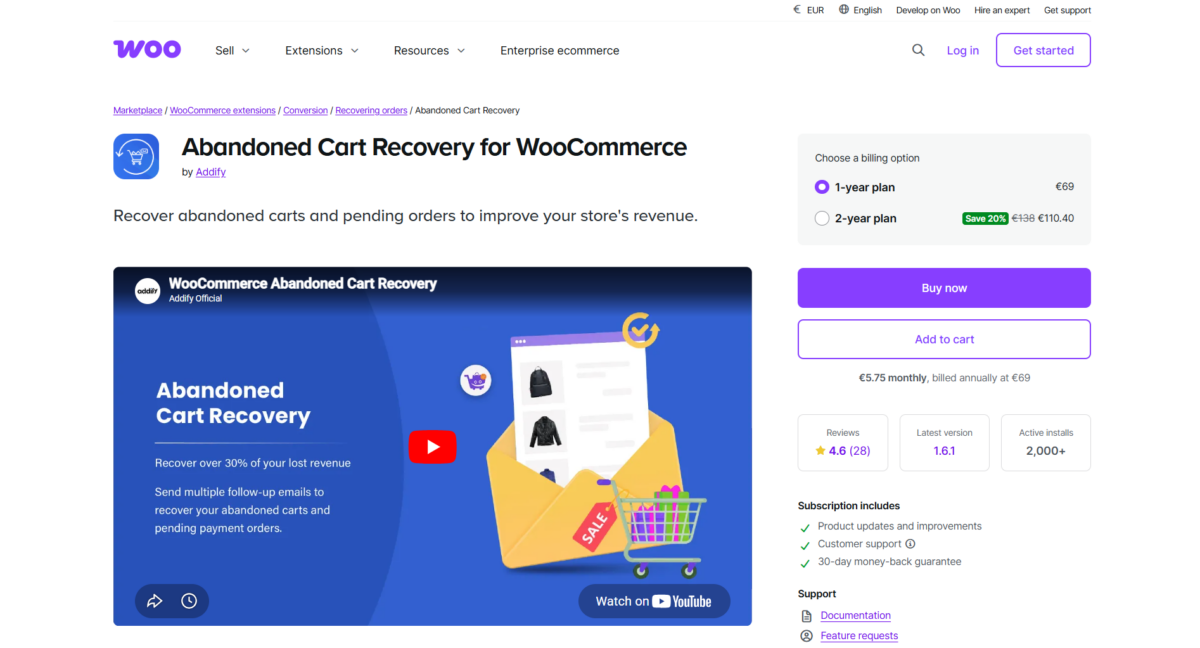
The main thing is to choose software that fits the recovery strategy you need. A small store may be able to get away with abandoned cart email automation and simple reporting. A larger store may need SMS, retargeting, segmentation, and cleaner attribution across channels.
Pro Tip:
In our experience, businesses sometimes add more recovery tools before fixing the buying journey itself. Software can help automate follow-up, but recovery performance still depends on checkout usability, trust signals, mobile experience, and how well the business understands why shoppers leave.
Recover the Cart, Then Fix What Pushed Them Away
Abandoned cart recovery works best when it is treated as both a revenue recovery tactic and a learning tool. Emails, SMS, push notifications, popups, and retargeting can bring shoppers back, but the strongest results come from personalization. That means looking at timing, behavior, cart value, device type, and where the drop-off happened, then using those signals to shape a recovery message that is more likely to bring back that shopper or customer segment.
The even bigger opportunity is using those insights to improve the store itself. If shoppers keep leaving because of unclear costs, weak trust signals, mobile friction, or a confusing checkout flow, recovery campaigns can only do so much. Recover the cart while the shopper’s intent is still fresh, but keep working to identify and address the gaps that caused the abandonment in the first place.
Frequently Asked Questions
What is abandoned cart recovery?
Abandoned cart recovery is the process of bringing back shoppers who added items to their cart but didn’t buy. It usually uses automated emails, SMS messages, retargeting ads, push notifications, or other follow-ups that remind shoppers to return and complete the order.
What is the best abandoned cart recovery channel?
Email is usually the best abandoned cart recovery channel for most ecommerce businesses because it is widely used, easy to automate, and gives enough space to show products, links, offers, and trust signals. Many stores also use SMS, retargeting ads, push notifications, and exit-intent popups as part of a multichannel recovery strategy.
Can abandoned cart recovery improve conversion rates?
Yes, abandoned cart recovery can improve conversion rates by bringing back shoppers who already showed purchase intent. Effective campaigns can help recover lost sales, increase completed orders from existing traffic, and improve overall ecommerce revenue.
